Paltan Ghar
Year
2025
Scope
Research
Collaborators
Bishnu, Dristi, Bibek, Riya, Pasang, Nimesh, Pratik
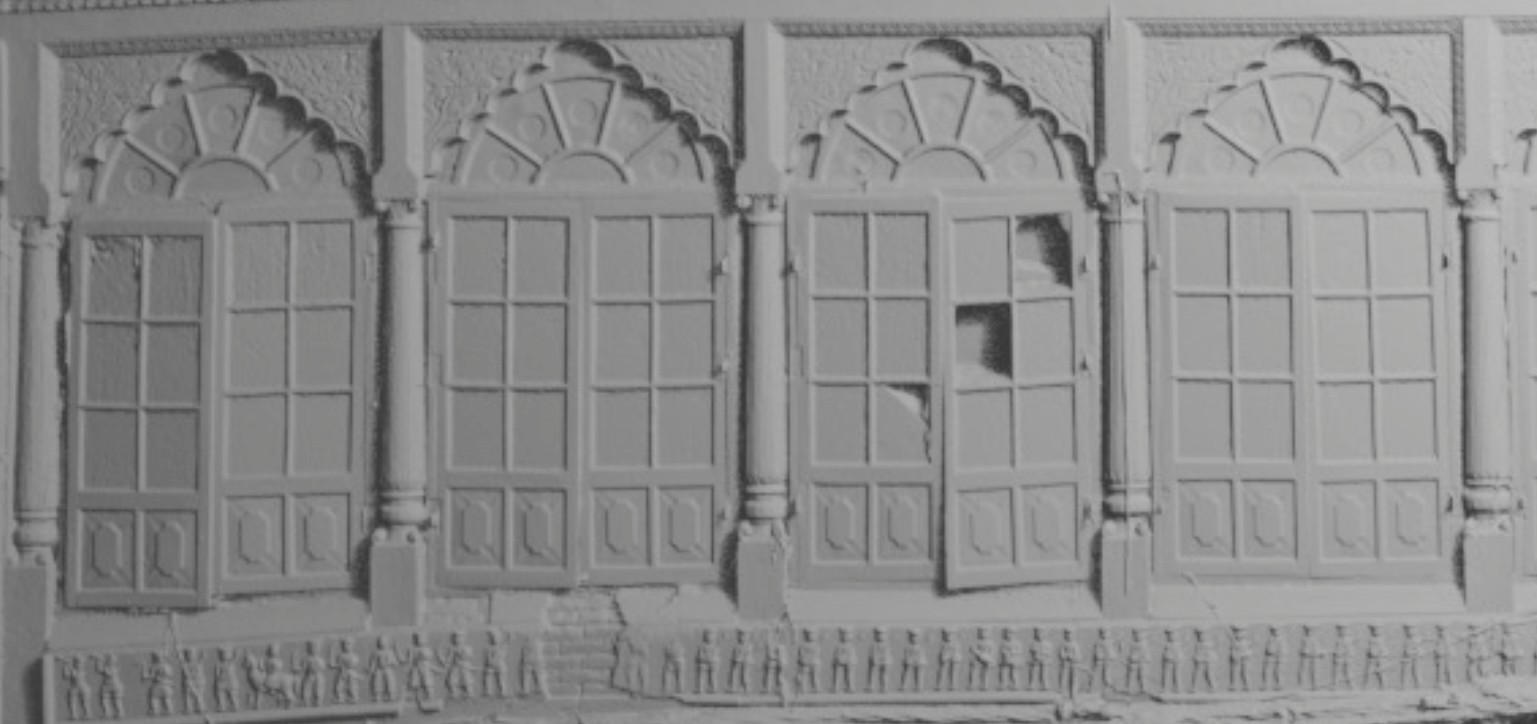
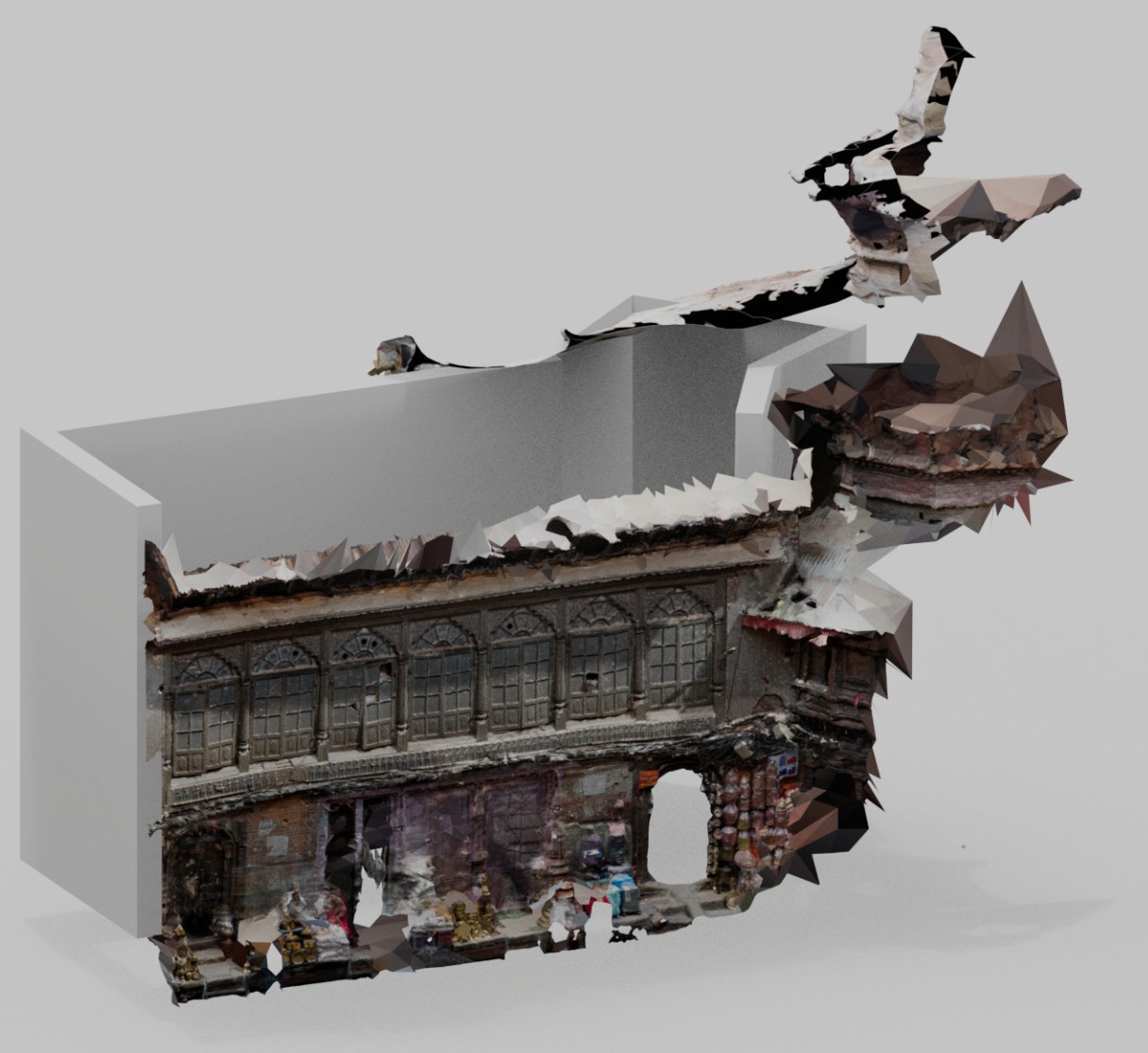
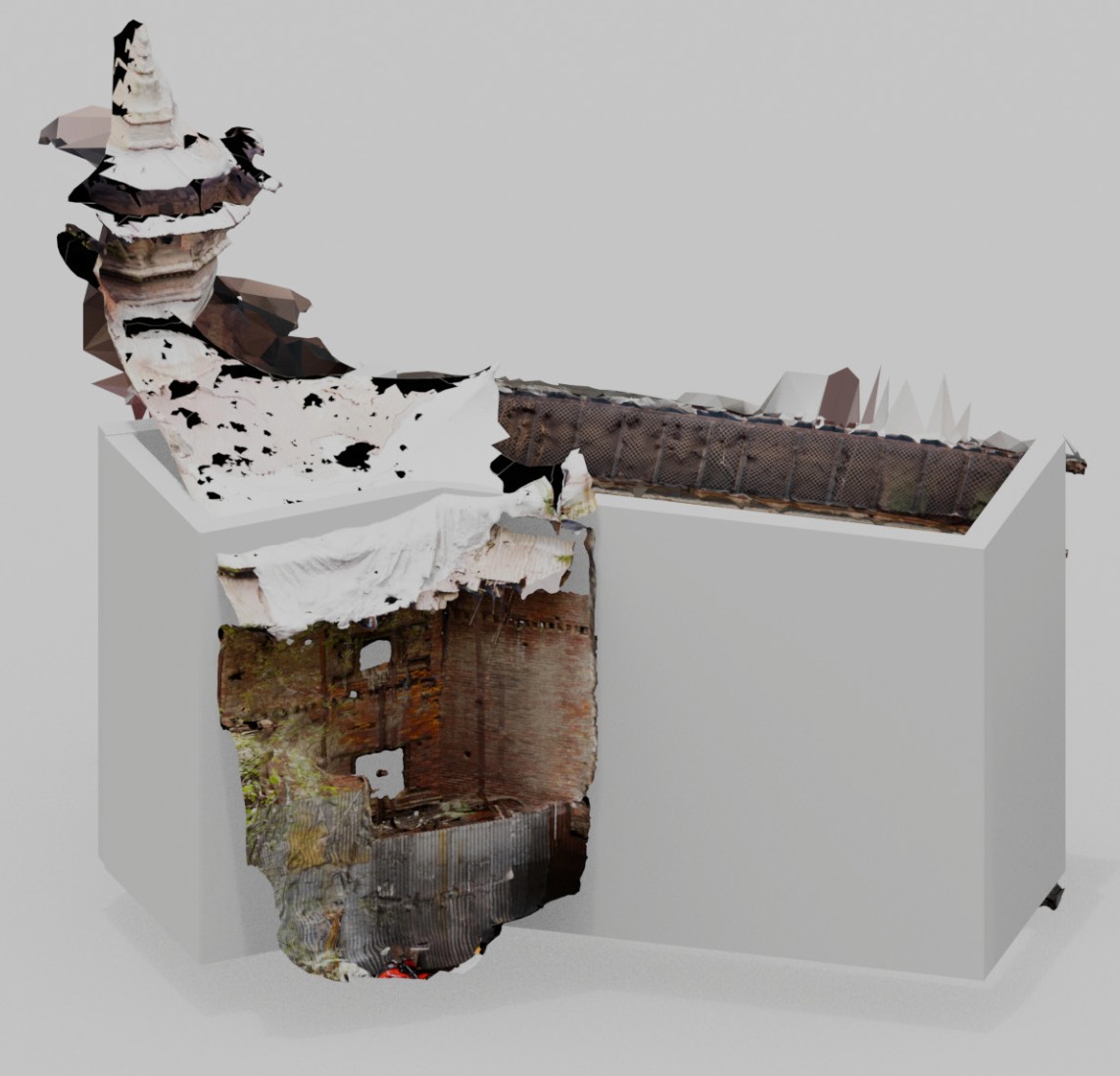
This project aims to digitally document and preserve Paltan Ghar, a historically significant yet overlooked heritage building located between Seto Machhindra Bahal and Ason in Kathmandu. Originally built by commander Abhiman Singh Basnet to house himself and his troops, the centuries-old structure now survives with a deteriorating facade and active ground-floor shops. Through detailed 3D documentation, the project seeks to record its architectural character, spatial history, and cultural significance before it is lost to time.
Paltan Ghar is a 247-year-old architectural landmark in Kathmandu built by Gorkhali commander Abhiman Singh Basnet as a residence for himself and 72 troops. Once a large residential complex with eight courtyards, it later evolved into a mixed residential and commercial property. Today, it is jointly owned by 16 Basnyat brothers and functions mainly as subdivided shops on the ground floor with storage on the upper floors, while the historic Tilaṅgā Āyurvedālaya pharmacy still operates.
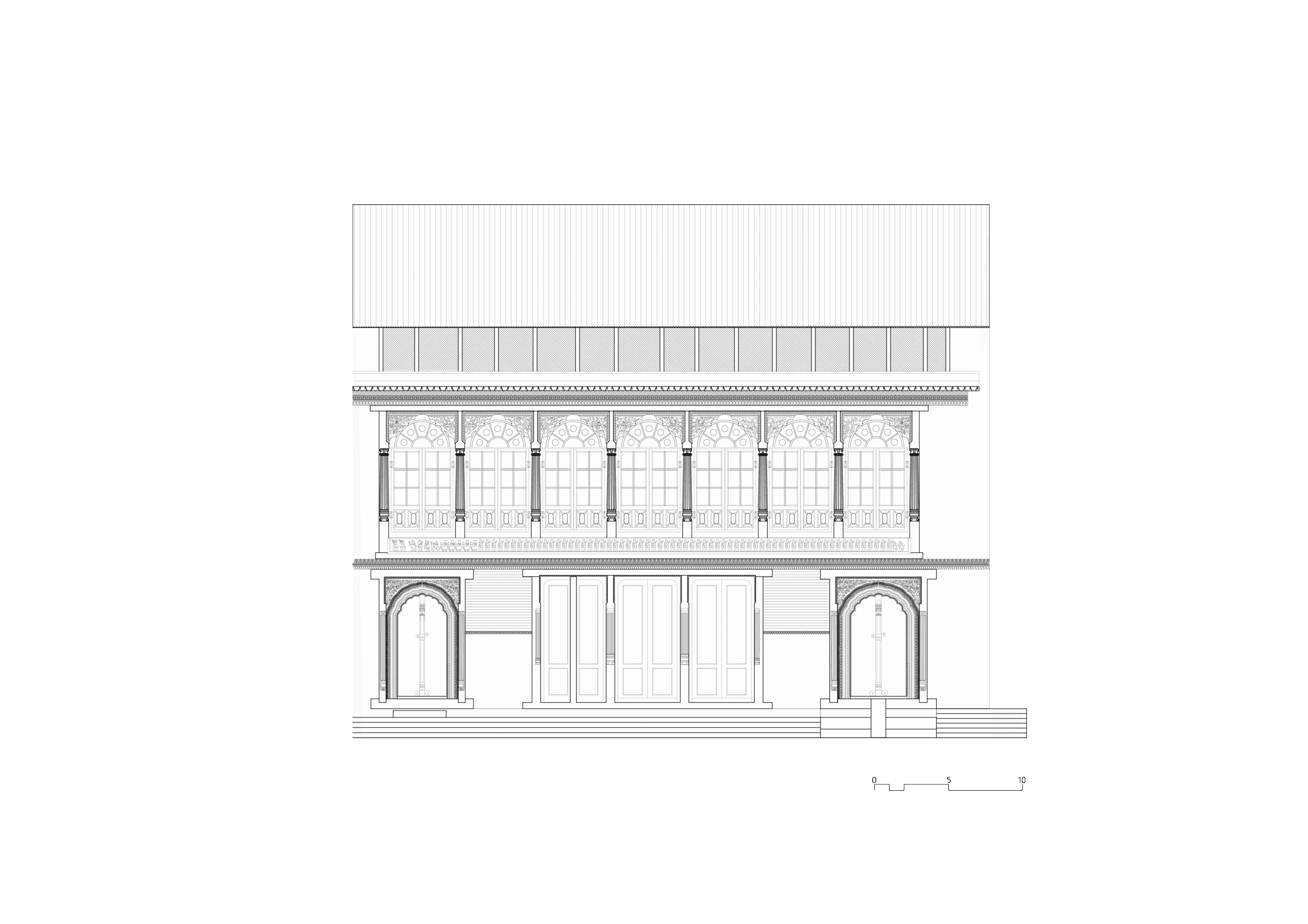
The 3.5-storied building has two exposed facades facing the street and rear courtyard. Its front elevation features an elaborate window ribbon, while the back contains three Newari-style windows. Built using a traditional load-bearing system of brick, timber, limestone, and mud with later cement reinforcements, the structure also includes timber joists added after earthquakes, clay tile floors, wooden plank openings, and roofs combining tin sheets and traditional jhingati tiles.
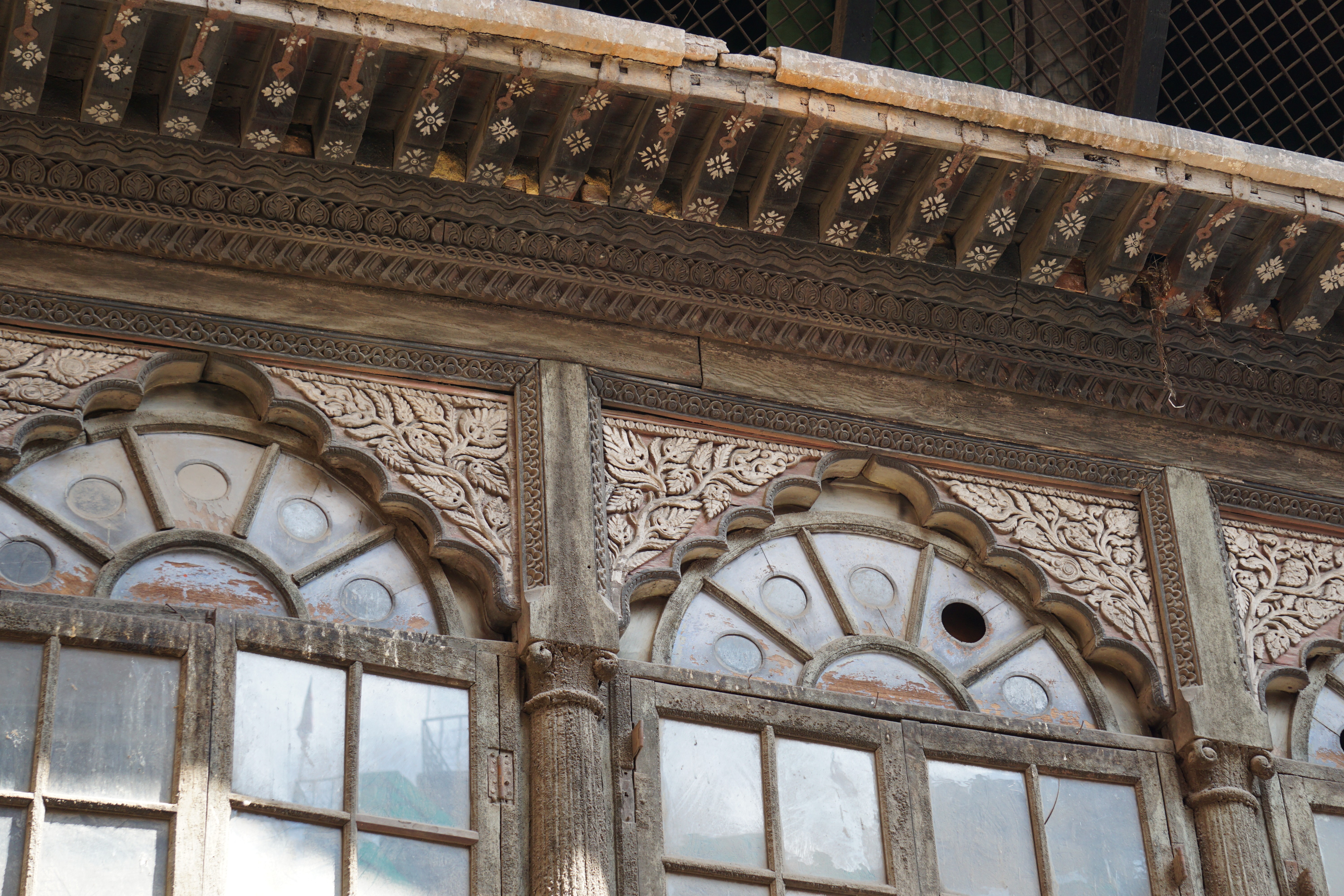
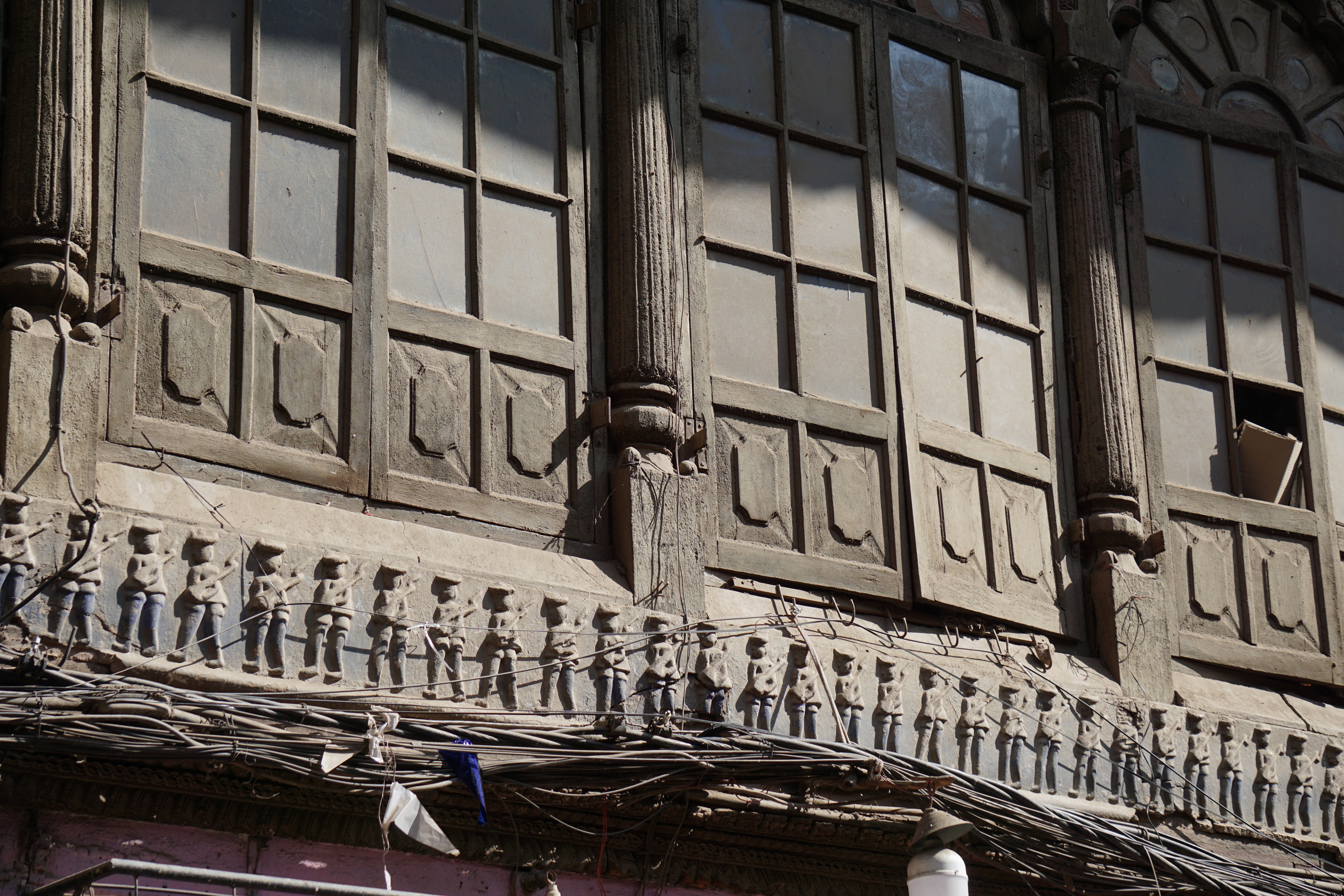
Known for its carved woodwork, Gorkhali-era columns, and clay reliefs of marching soldiers on the façade, Paltan Ghar was also the first private building in Kathmandu to use glass window panels, making it a significant example of the city’s architectural and historical heritage.